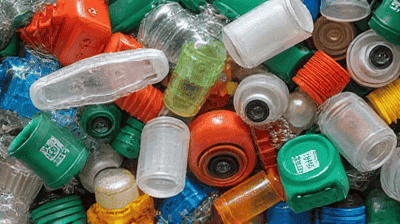
Plastic waste has become one of the most pressing environmental issues of our time. With billions of tons of plastic produced each year and only a fraction of it being recycled, the consequences of plastic pollution are dire.
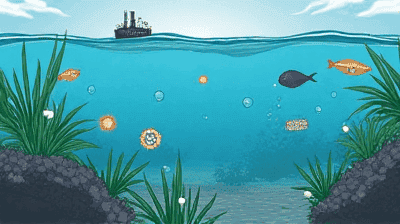
Microplastics, tiny plastic particles less than five millimeters in diameter, have emerged as one of the most challenging environmental pollutants of our time. These particles originate from various sources, including the degradation of larger plastic debris, microbeads found in personal care products, and synthetic fibers that shed from clothing during washing.
As urban populations continue to grow, cities face unprecedented challenges related to waste management. Traditional waste disposal methods are no longer sustainable, leading to overcrowded landfills, environmental degradation, and public health concerns.
In an age where environmental awareness is crucial, the prevalence of plastic waste poses a significant threat to ecosystems, wildlife, and human health. Single-use plastics, in particular, have flooded our lives, contributing to pollution that is both visible and insidious.
In recent years, the surge in plastic pollution has ignited a global conversation about sustainable alternatives to conventional plastics. Amid this discourse, bioplastics have emerged as a potential solution, touted for their ability to reduce environmental impact and reliance on fossil fuels.